

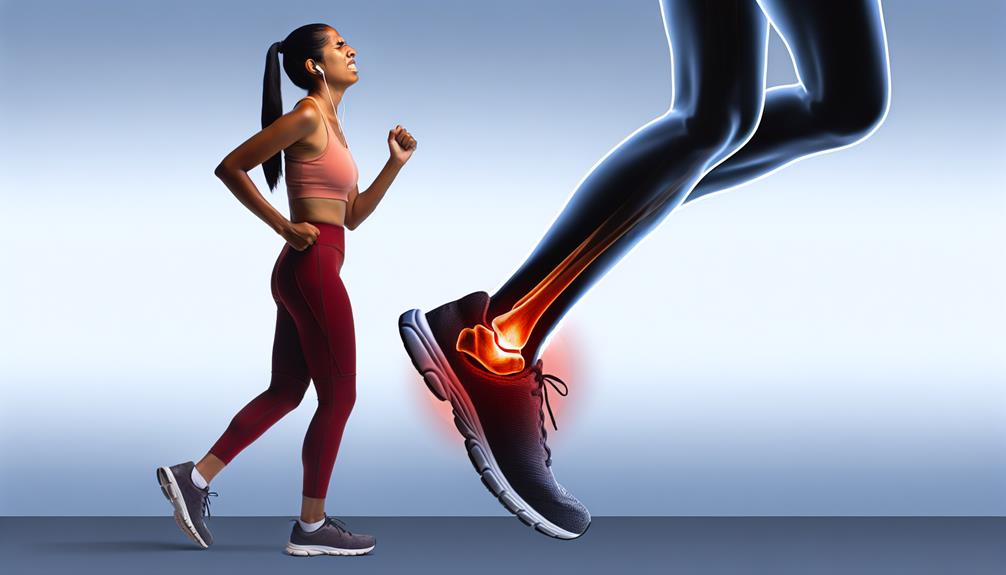
Achilles Bursitis: What Runners Need to Know About This Condition
Runners, you lace up your shoes, hit the pavement, and push your limits, but are you aware of the potential Achilles bursitis lurking in the shadows? The discomfort and setbacks caused by this condition can disrupt your running routine, but understanding the warning signs and preventive strategies can make a significant difference in your running journey. Stay tuned to learn how you can safeguard your Achilles tendon health and keep those miles rolling smoothly.
Key Takeaways
- Overuse, tight shoes, and uphill running can cause Achilles bursitis in runners.
- Recognizing causes like inflammatory joint diseases and Haglund deformity is crucial.
- Prevention strategies include warm-up routines, stretching, and supportive footwear.
- Early symptom recognition and proactive measures aid in faster recovery.
- Proper treatment, rest, and gradual activity increases help prevent recurrence.
Overview of Heel Bursitis
Heel bursitis, also known as retrocalcaneal bursitis, is a common condition that affects runners and individuals who put repetitive stress on their ankles. This condition involves inflammation of the bursa located between the Achilles tendon and the heel bone. Symptoms of heel bursitis include foot and heel pain, swelling, tenderness, and difficulty walking.
Diagnosis typically involves a physical exam, imaging tests like X-rays or MRI, and discussions about symptoms and medical history.
Treatment for heel bursitis may include rest, ice, NSAIDs, physical therapy, corticosteroid injections, orthotics, and in severe cases, surgery.
Overuse of the ankle, wearing tight-fitting shoes, and inflammatory joint diseases can contribute to the development of this condition. Runners, in particular, are at risk due to the repetitive stress placed on the Achilles tendon and surrounding structures. Proper diagnosis and early intervention are essential in managing heel bursitis effectively.
Causes and Risk Factors
Runners, like yourself, should be aware that Achilles bursitis can stem from various factors related to the repetitive stress placed on your ankles during physical activities such as running. Overuse of the ankle, especially with sudden increases in running intensity, is a common cause of Achilles bursitis among runners. Tight-fitting shoes can also contribute to this condition by putting pressure on the Achilles tendon.
Additionally, runners with poor stretching routines or those who frequently run uphill are at a higher risk of developing Achilles bursitis. Inflammatory joint diseases like arthritis and infections can lead to bursitis in the Achilles tendon as well. Haglund deformity, characterized by a bony enlargement at the back of the heel, may cause or worsen Achilles bursitis in some cases.
Being mindful of these causes and risk factors can help you take preventive measures to avoid Achilles bursitis and maintain your running routine without interruptions.
Diagnosis and Management
Upon experiencing symptoms of Achilles bursitis, seeking timely diagnosis and appropriate management is necessary for runners like yourself. To address Achilles bursitis effectively, consider the following steps:
- Diagnosis: Your healthcare provider may perform a physical examination to assess the affected area. Imaging tests such as ultrasound or MRI can provide detailed views. In some cases, fluid aspiration may be necessary for further analysis.
- Management: Treatment options may include rest, ice, and NSAIDs to alleviate pain and inflammation. Physical therapy and orthotics can help in rehabilitation. Corticosteroid injections may be recommended for severe cases. Surgery is reserved for instances where conservative measures fail.
- Identifying Underlying Causes: Understanding what led to Achilles bursitis is essential for managing the condition and preventing recurrence.
- Follow-Up: Regular appointments with your healthcare team are important to monitor progress, adjust treatments, and address any concerns to guarantee a smooth recovery and minimize the risk of complications.
Symptoms and Prevention
Experiencing Achilles bursitis as a runner can manifest through specific symptoms that signal the need for attention and proactive steps to prevent further complications. Symptoms like pain at the back of the heel, swelling, and difficulty walking or running shouldn't be ignored. Additionally, tenderness, warmth, redness, and limited range of motion in the affected area could indicate Achilles bursitis.
To prevent this condition, it's vital to focus on prevention strategies. Proper warm-up routines, regular stretching exercises, wearing supportive footwear, and gradually increasing running intensity can all help reduce the risk of developing Achilles bursitis. Consider using protective padding or orthotics to minimize pressure on the Achilles tendon.
Avoiding hard surfaces and being mindful of any early recognition of Achilles bursitis symptoms are crucial steps in preventing worsening of the condition. Remember, early intervention and appropriate preventive measures can facilitate a faster recovery and allow you to return to your running activities sooner.
Outlook and Living With Heel Bursitis
For individuals dealing with heel bursitis, the outlook for recovery is generally positive with proper treatment and rest. Here are some key points to keep in mind when living with heel bursitis:
- Recovery Time: Healing from heel bursitis usually takes several weeks, but in severe cases, it may take up to twelve months.
- Activity Restrictions: It's essential to adhere to your healthcare provider's recommendations regarding activity limitations to aid in the healing process.
- Pain Management: Follow the prescribed pain management strategies to alleviate discomfort and promote healing.
- Questions to Ask: Don't hesitate to inquire about the cause of your condition, recommended treatments, and whether surgery might be necessary.
To prevent heel bursitis from recurring or worsening, maintain a healthy weight, wear appropriate footwear, incorporate stretching into your routine, avoid hard surfaces, and gradually increase your activity levels. By following these guidelines and listening to your healthcare provider's advice, you can improve your recovery and overall well-being.
What Is Heel Bursitis?
Heel bursitis, also known as retrocalcaneal bursitis, is a painful condition characterized by inflammation of the bursa located near the Achilles tendon in your heel. This bursa acts as a cushion between the Achilles tendon and the heel bone, helping to reduce friction during movement. When this bursa becomes inflamed, it can lead to symptoms such as foot and heel pain, swelling, tenderness, and difficulty walking or standing.
Runners are particularly susceptible to developing heel bursitis due to the repetitive stress placed on the foot and Achilles tendon during running.
Diagnosis of heel bursitis typically involves a physical examination, imaging tests like X-rays or MRIs, and a discussion of symptoms and medical history.
Treatment options for heel bursitis may include rest, ice, NSAIDs, physical therapy, corticosteroid injections, orthotics, and in severe cases, surgery. It's crucial for runners experiencing symptoms of heel bursitis to seek medical attention promptly to prevent further complications and guarantee a speedy recovery.
What Are the Causes of Heel Bursitis?
Straining your heel through repetitive activities like running or wearing ill-fitting shoes can set the stage for heel bursitis, a painful condition caused by inflammation of the bursa near your Achilles tendon.
Several factors can contribute to the development of heel bursitis, including:
- Overuse and Injury: Engaging in activities that put excessive stress on the heel, such as running long distances or jumping frequently, can lead to heel bursitis.
- Improper Shoes: Wearing footwear that doesn't provide adequate support or cushioning, especially during high-impact activities like running, can increase the risk of developing heel bursitis.
- Rheumatoid Arthritis: Inflammatory joint diseases like rheumatoid arthritis can trigger inflammation in the bursa near the Achilles tendon, leading to heel bursitis.
- Infections and Haglund Deformity: Infections in the bursa or conditions like Haglund deformity, where a bony bump forms at the back of the heel, can also be underlying causes of heel bursitis.
Frequently Asked Questions
Can You Run With Achilles Bursitis?
You shouldn't run with Achilles bursitis. Pushing through may worsen pain and delay healing. Take a break, get proper care, and consult with a pro. Rest up now to run stronger later.
How Do You Treat Achilles Bursitis?
To treat Achilles bursitis, you should rest, ice, elevate, and compress the area. Strengthening exercises can help prevent future issues. Consider NSAIDs for pain relief and corticosteroid injections for severe cases. Surgery might be necessary in extreme situations.
What Shoes Are Best for Achilles Bursitis?
For Achilles bursitis, choose shoes with good arch support, cushioning, and a slightly raised heel to reduce strain. Look for a flexible sole and avoid stiff backs or tight heel counters. Consider orthotic inserts for extra support.
What Is Heel Bursitis Runner's World?
Heel bursitis in runners, also known as retrocalcaneal bursitis, is caused by inflammation near the Achilles tendon. Symptoms include pain, swelling, and difficulty walking. Treatment involves rest, ice, NSAIDs, and sometimes corticosteroid injections or surgery.


