

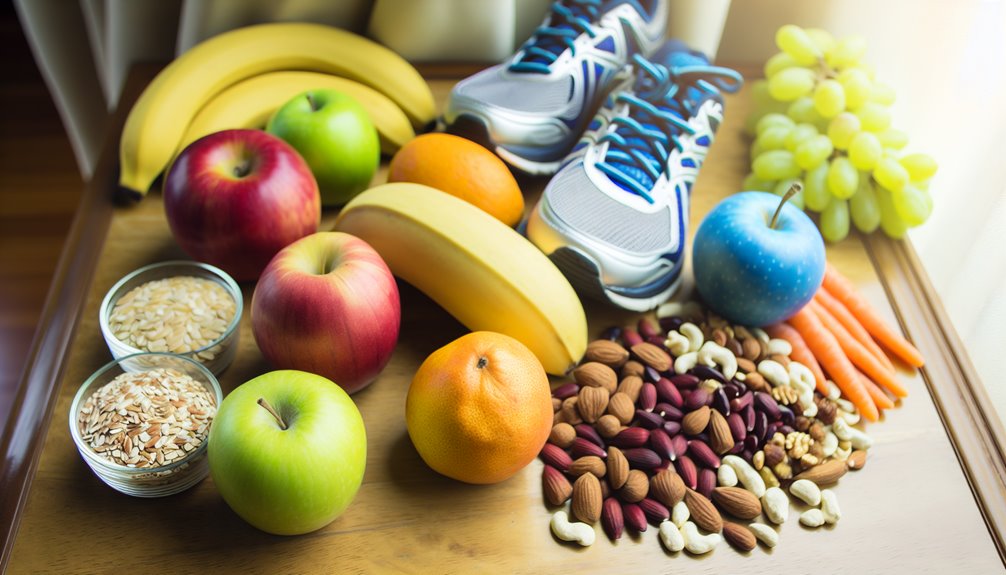
Running and Nutrition: What to Eat to Run Better
Nutrition for running does not need to be complicated. You do not need supplements, superfoods, or a degree in sports science. After years of experimenting with what I eat around my running, the fundamentals are surprisingly simple: eat enough, eat well, and time it right. Here is what that looks like in practice.
Before Your Run
The goal before a run is to have enough energy without feeling heavy or sick. For runs under an hour, you can get away with running on an empty stomach, especially for early morning runs. Your glycogen stores from the previous day’s meals will carry you through.
For longer runs or hard sessions, eat a carbohydrate-rich meal 2 to 3 hours before. Porridge with banana, toast with peanut butter, or a bagel with jam are all reliable options. Avoid anything high in fibre, fat, or protein close to a run — these take longer to digest and can cause stomach issues at pace.
If you are running within an hour of eating, keep it small: a banana, a handful of dried fruit, or a slice of toast. The closer to your run, the lighter the snack.
During Your Run
For runs under 75 minutes, water is enough. Your glycogen stores can handle the distance without extra fuel.
For runs over 90 minutes, you need to take in carbohydrates. The current recommendation is 30 to 60 grams per hour for half marathon distance, and up to 90 grams per hour for marathon and beyond. Energy gels, sports drinks, jelly babies, or real food like dates all work. The best option is whichever one your stomach tolerates.
Hydration during runs depends on conditions and your sweat rate. As a rough guide, aim for 400 to 800ml per hour in warm weather. In cooler UK conditions, less is needed. Drink to thirst rather than forcing a rigid schedule.
After Your Run
The 30-minute window after a run is when your body is most efficient at restoring glycogen and repairing muscle. Aim for a meal or snack containing both carbohydrates and protein. A ratio of roughly 3:1 or 4:1 carbs to protein is ideal.
Practical options: chocolate milk (genuinely one of the best recovery drinks), a chicken and rice bowl, eggs on toast, or a protein smoothie with fruit and oats. The specific food matters less than hitting the carb-and-protein combination within that recovery window.
Day-to-Day Nutrition for Runners
Outside of the immediate pre- and post-run windows, your daily diet should look like this:
- Carbohydrates: Your primary fuel source. Rice, pasta, bread, potatoes, oats, and fruit should form the base of most meals. Runners training for distance events need more carbohydrates than the general population — this is not the time for low-carb diets.
- Protein: Essential for muscle repair. Aim for 1.2 to 1.6 grams per kilogram of body weight daily. Chicken, fish, eggs, beans, lentils, and dairy are all good sources.
- Fats: Important for hormone production and nutrient absorption. Avocado, nuts, olive oil, and oily fish. Do not fear fat — just do not eat a high-fat meal close to a run.
- Iron: Runners are at higher risk of iron deficiency due to foot-strike haemolysis and sweat losses. Red meat, spinach, lentils, and fortified cereals help. If you feel unusually fatigued despite adequate sleep and recovery, get your iron levels checked.
Common Nutrition Mistakes Runners Make
- Not eating enough: Underfuelling is more common than overeating among regular runners. If you are training 30+ miles a week, you need serious calories. Chronic underfuelling leads to injury, illness, and poor performance.
- Cutting carbs: Low-carb diets and endurance running do not mix. Your muscles run on glycogen, and glycogen comes from carbohydrates.
- Overthinking it: You do not need special supplements, protein powders, or recovery drinks. Real food covers everything most runners need.
- Ignoring hydration: Even mild dehydration impairs performance. Drink water throughout the day, not just around runs.
Good nutrition will not compensate for poor training, but poor nutrition will undermine even the best training plan. Keep it simple, eat enough, and prioritise real food. That covers 90% of what you need to know.


